Self-Organizing
Nodes automatically establish links and adapt to changing topologies without dependence on fixed infrastructure.


Rapidly organize communication links across soldiers, vehicles, patrol boats, relay stations, helicopters, regional command centers, and headquarters.
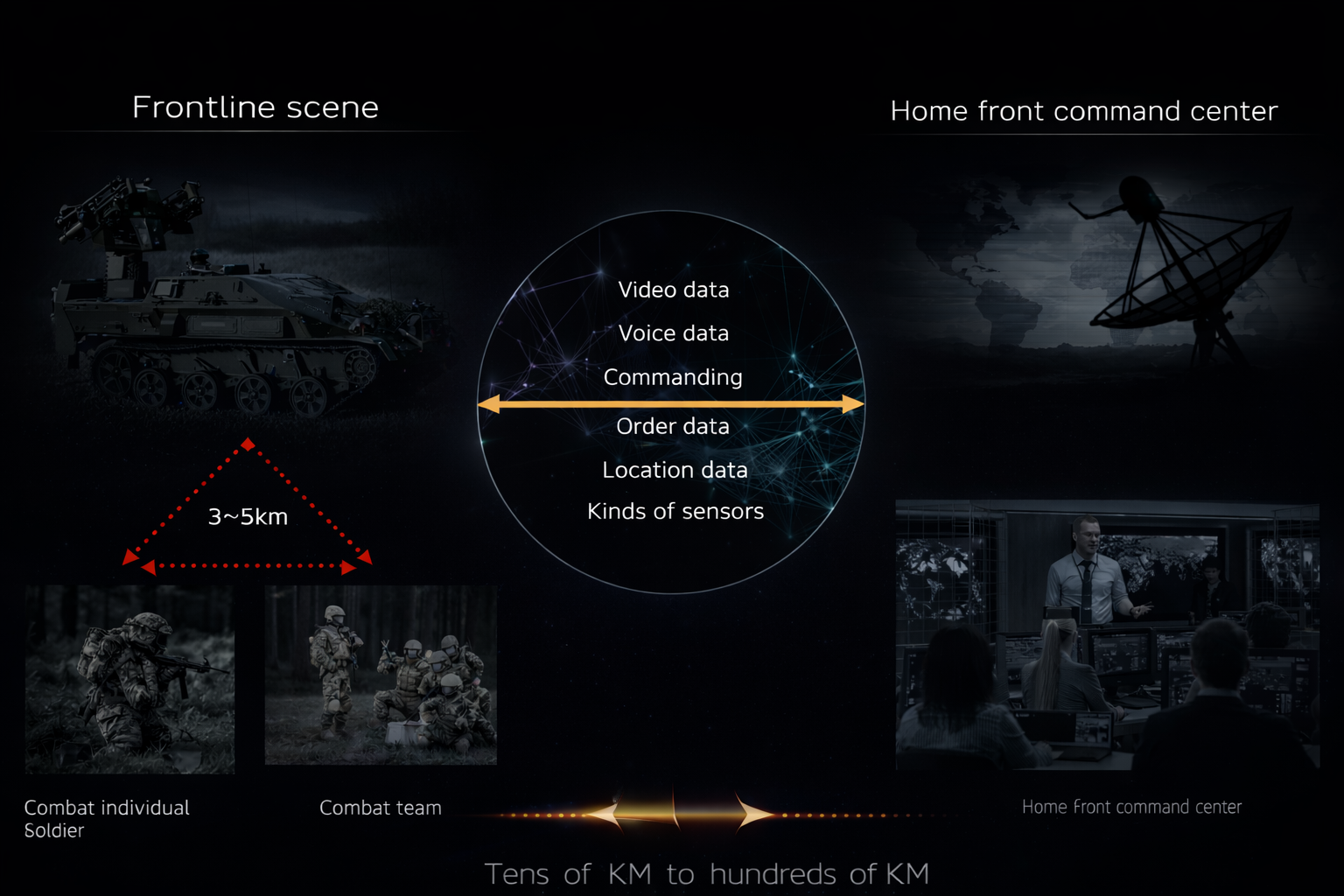
Nodes automatically establish links and adapt to changing topologies without dependence on fixed infrastructure.
When one path is interrupted, the network reroutes traffic through alternate nodes to maintain continuity.
Supports small tactical teams, border operations, event security, maritime missions, and public safety deployments.
Traditional communication systems struggle in fast-moving, infrastructure-limited, or geographically complex environments. Self-Link Network extends communications from the frontline scene to command centers over short, medium, and long distances.
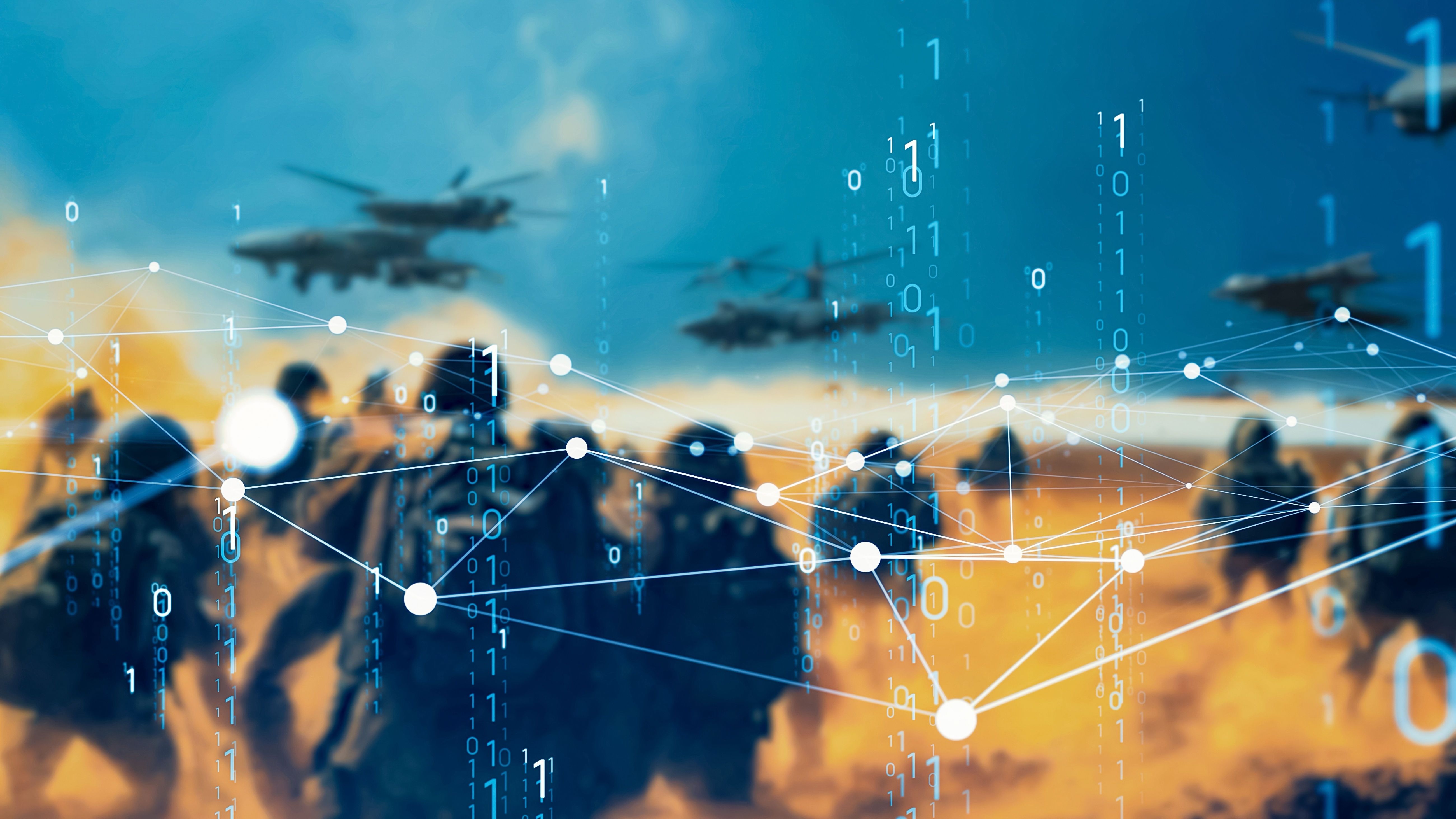
Deployable across land, urban, maritime, telecom backup, and large-scale event scenarios, combining local mesh networking with relay or satellite communication when needed.
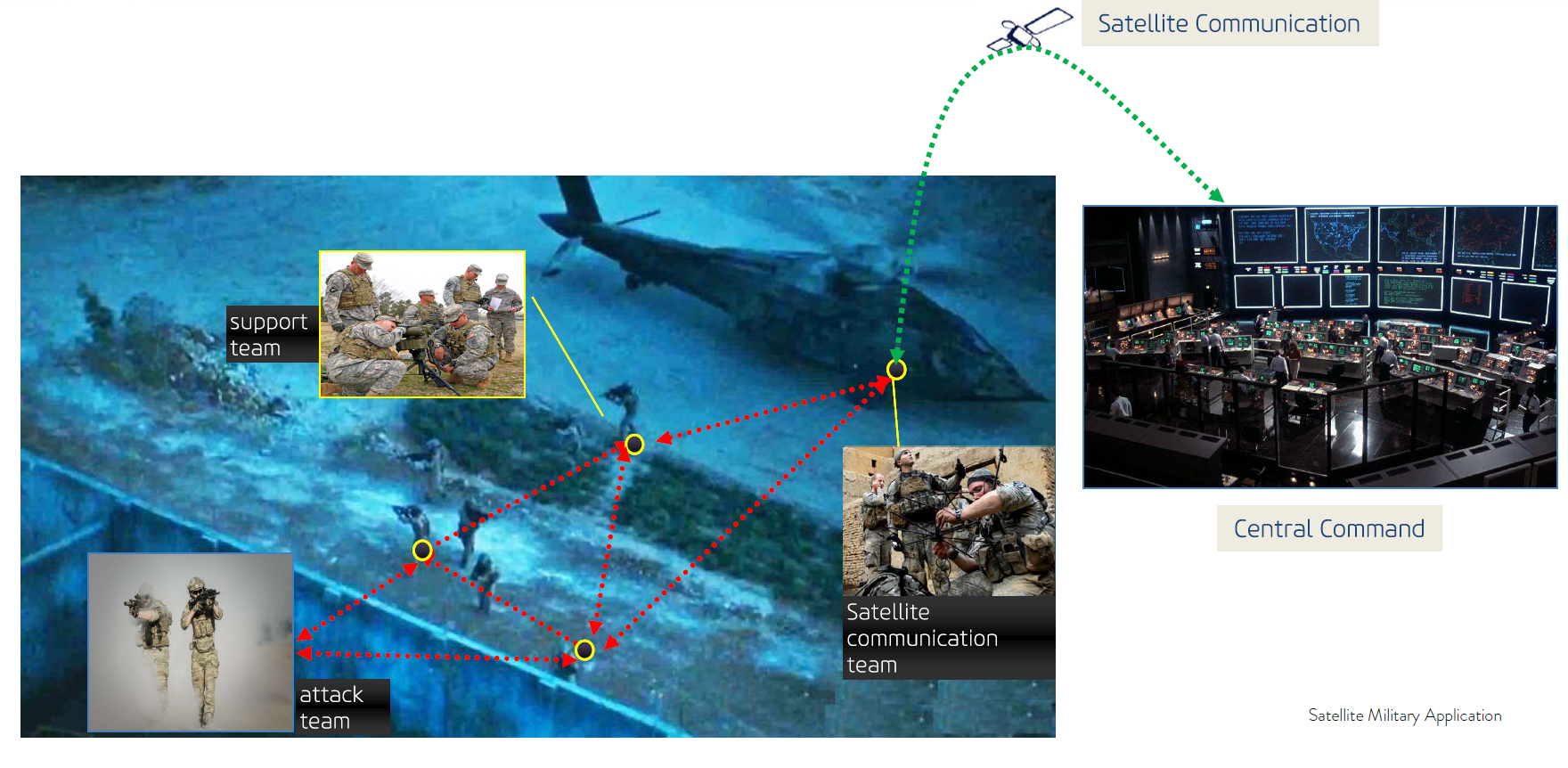
Real-time battlefield coordination across distributed units.
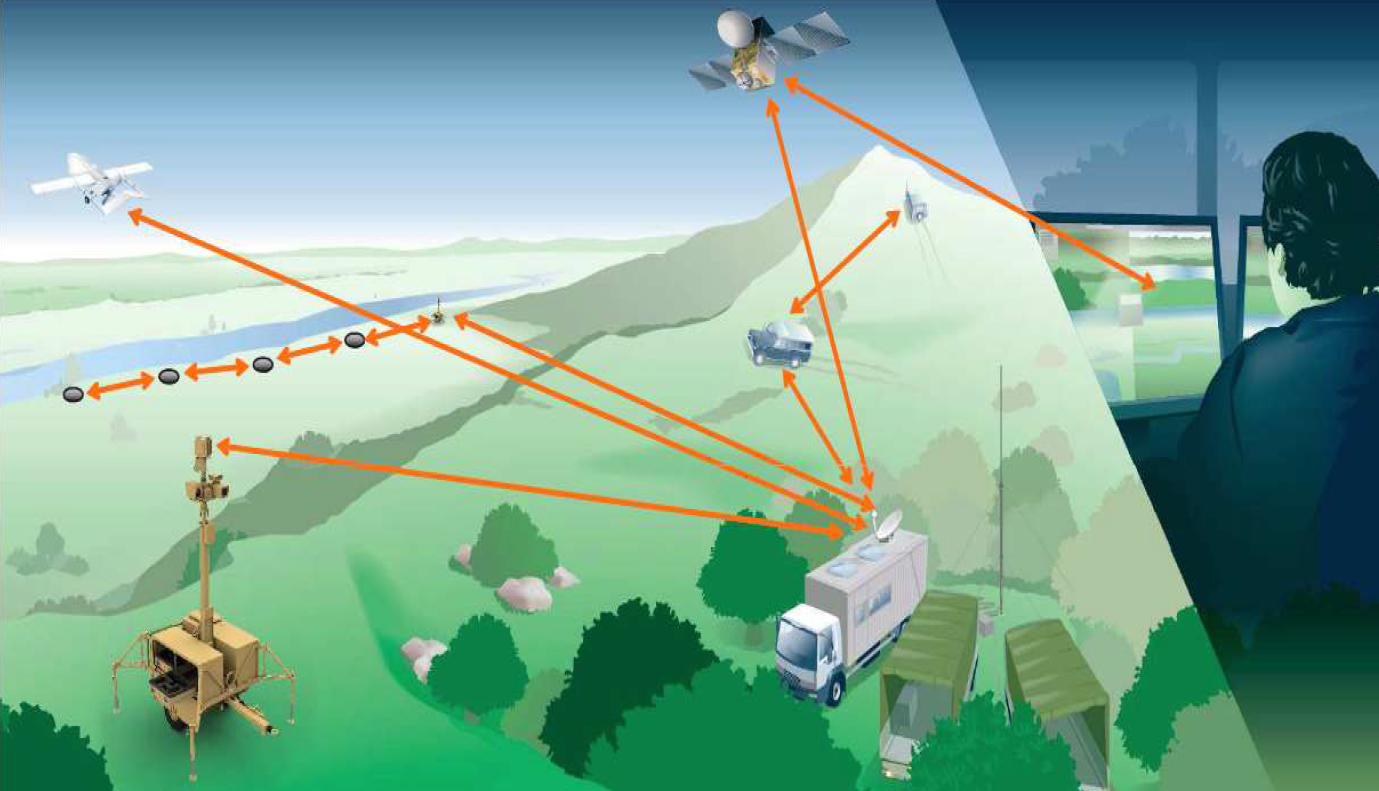
Continuous communication coverage across remote patrol zones.
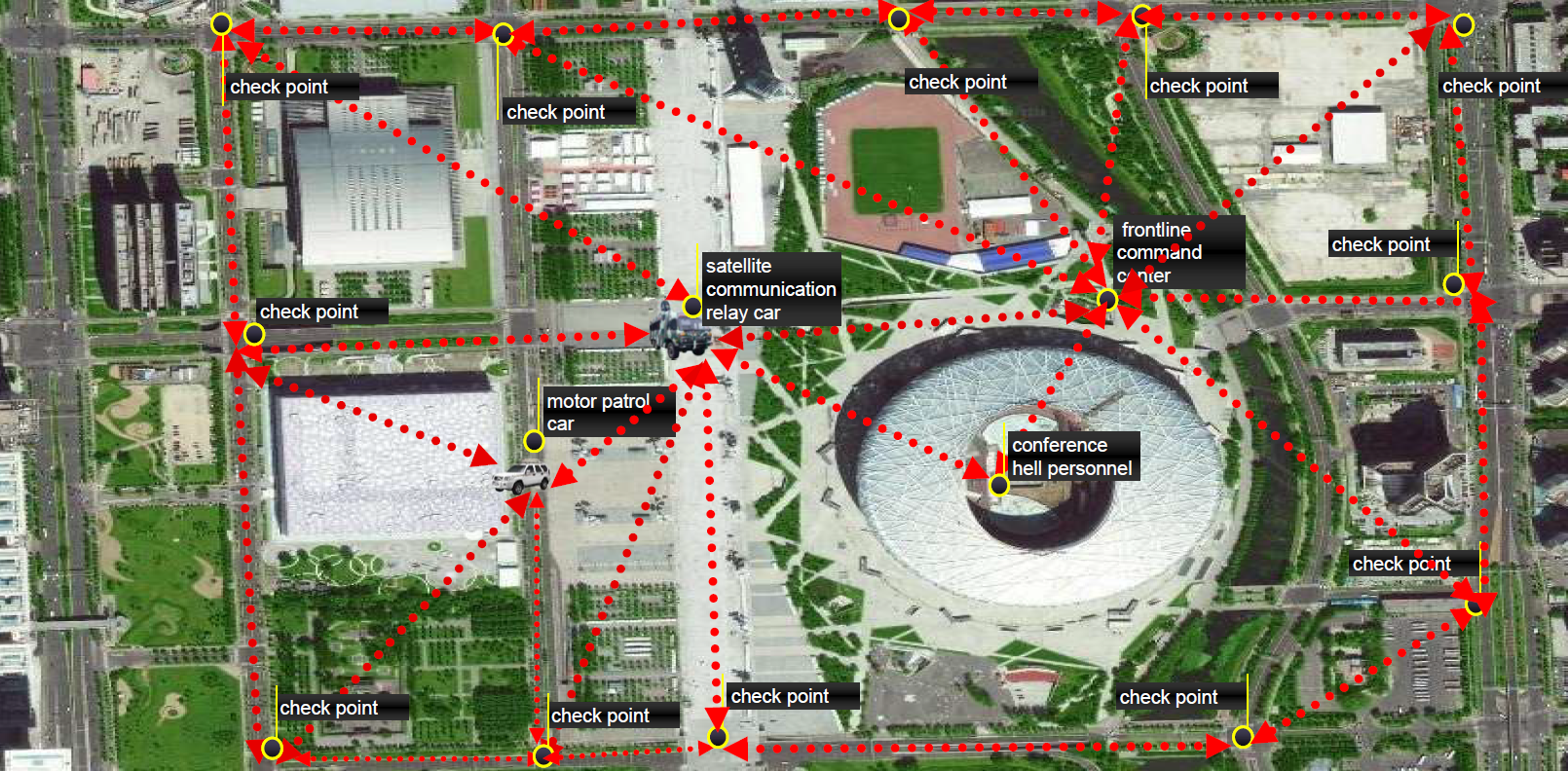
Temporary networks for crowd control and emergency response.
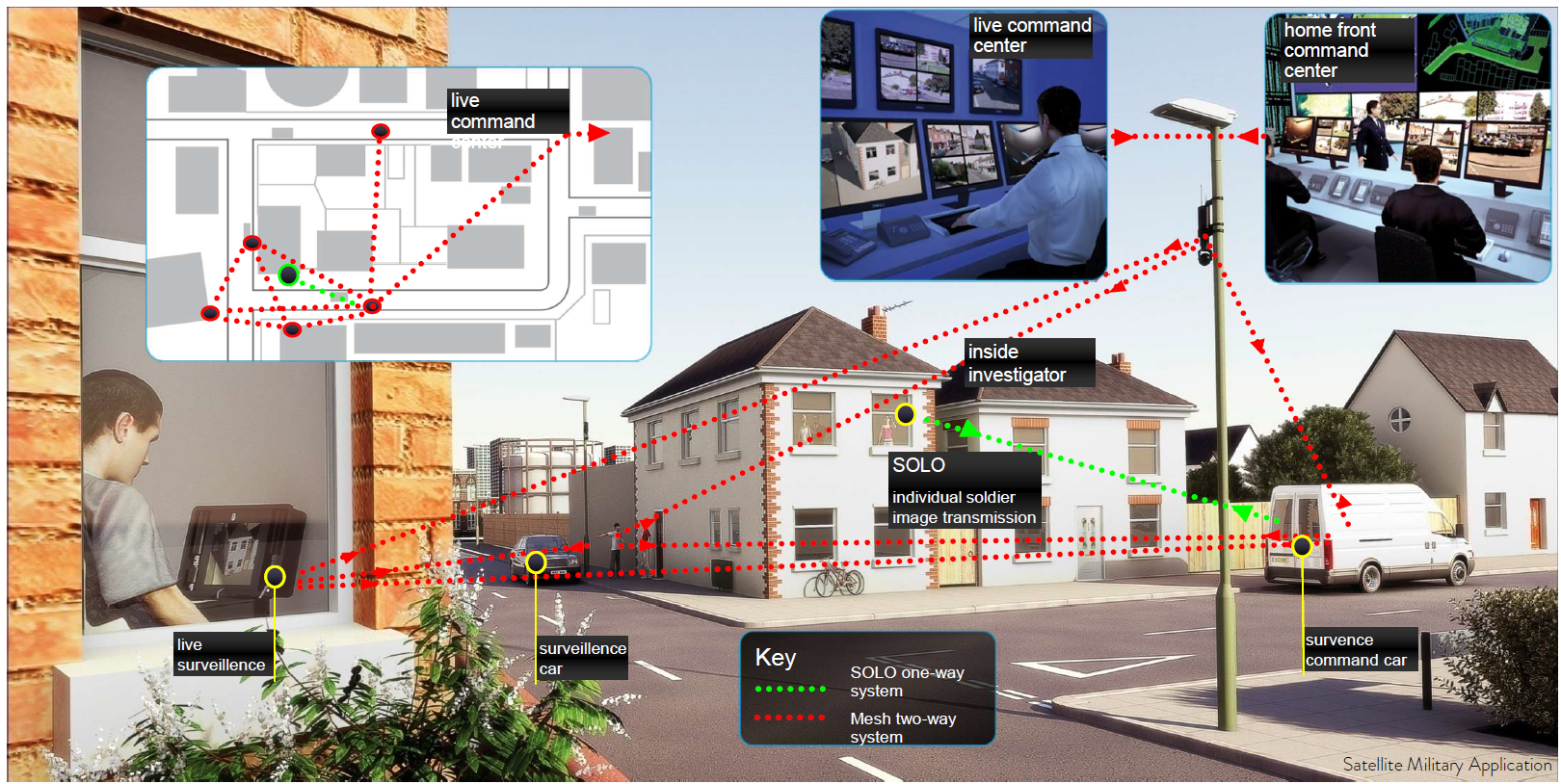
Covert monitoring and live intelligence sharing in urban areas.
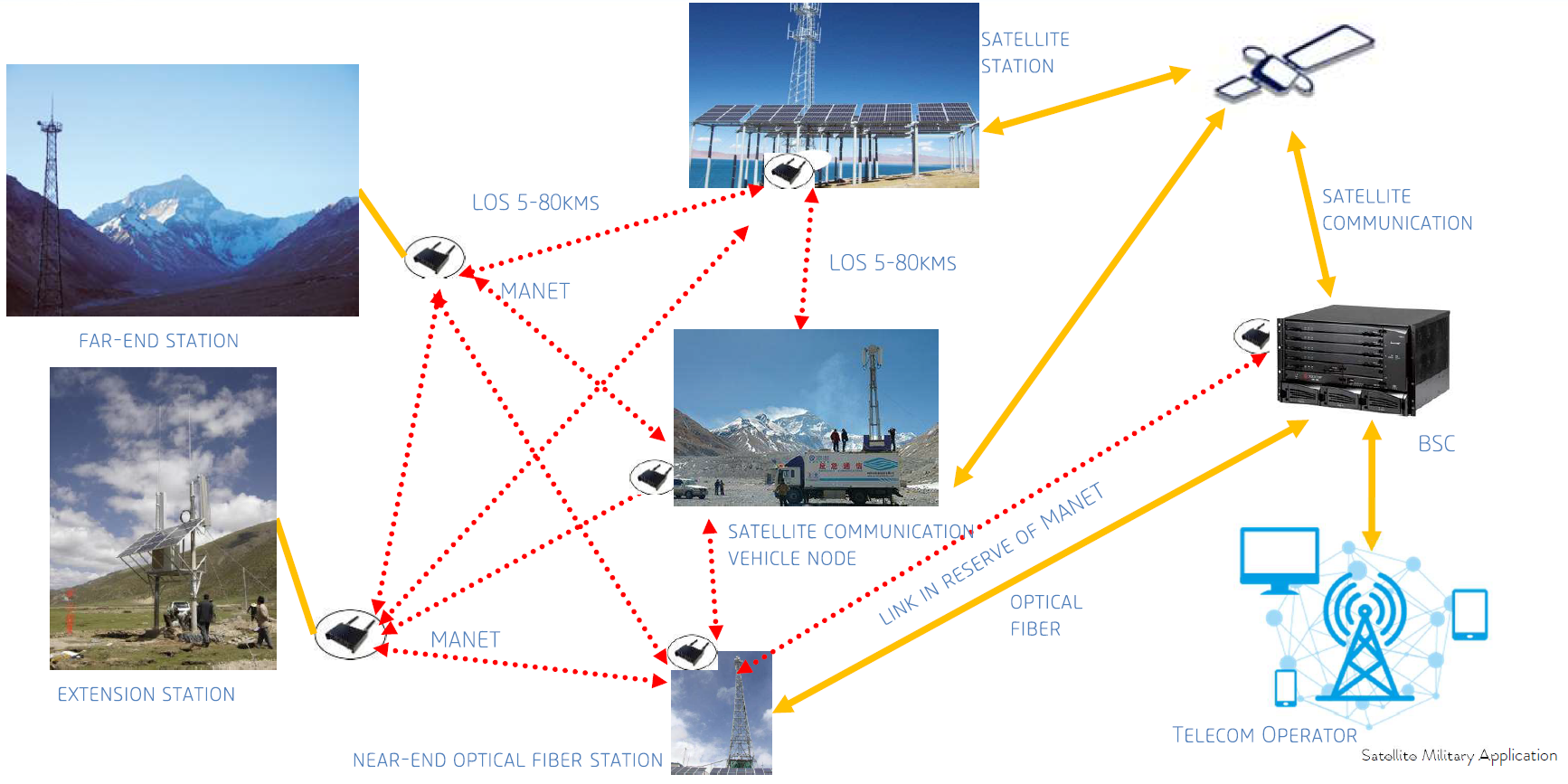
Reliable reserve links ensuring continuity for critical telecom infrastructure.
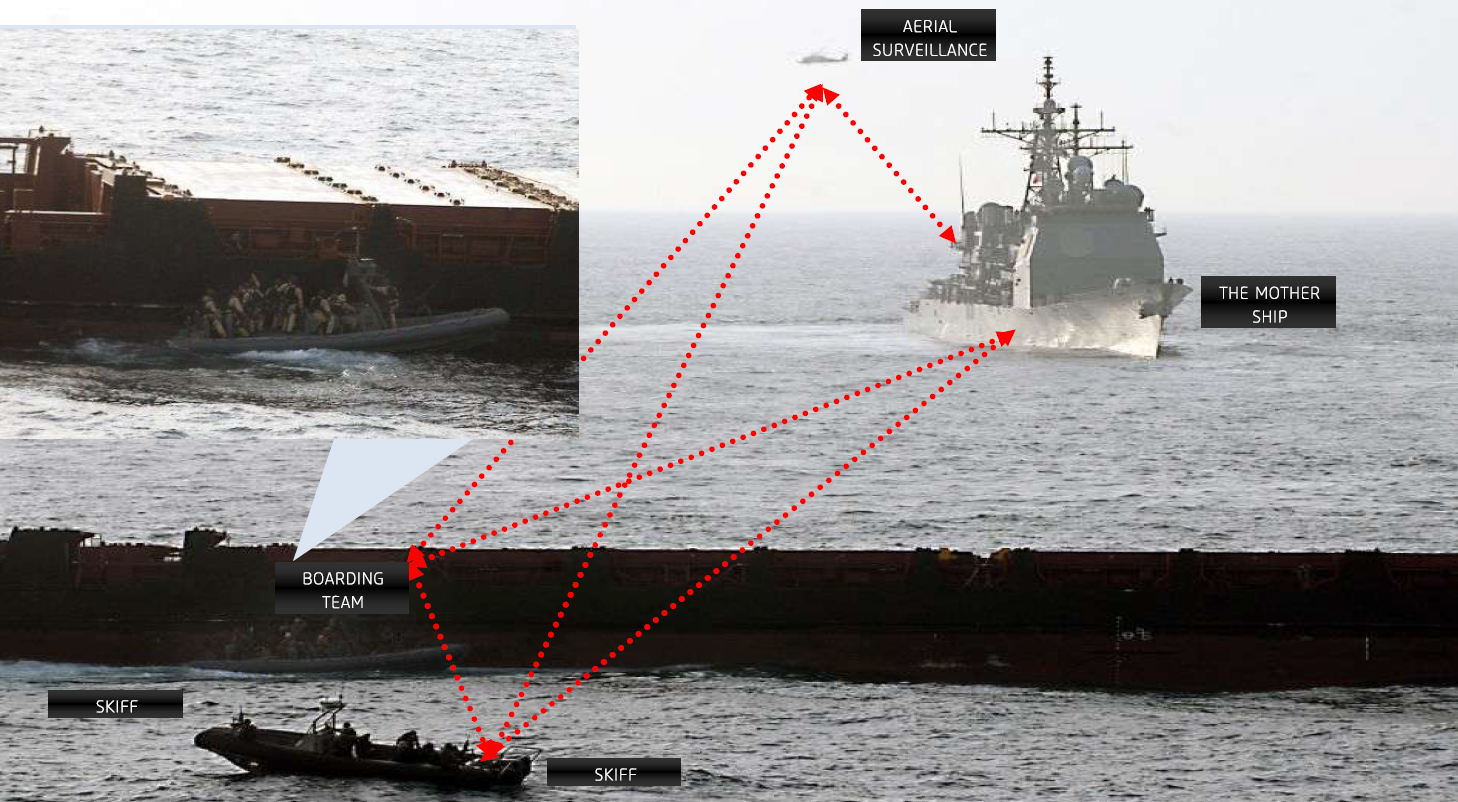
Seamless coordination across vessels, offshore units, and command systems.
Key components can be configured according to mission distance, mobility, protection level, and deployment environment.


