0

Resilient, Rapidly Deployable Self-Link Network for Mission-Critical Communications

From frontline nodes to central command, connected in one adaptive network.

The Self-Link Network Communication Solution integrates mobile command units, handheld nodes, vehicle base stations, relay stations, and satellite backhaul into a unified communication framework. It supports voice, video, data, location sharing, and sensor transmission across dynamic operational scenarios.

Mobile Ad Hoc Network Framework

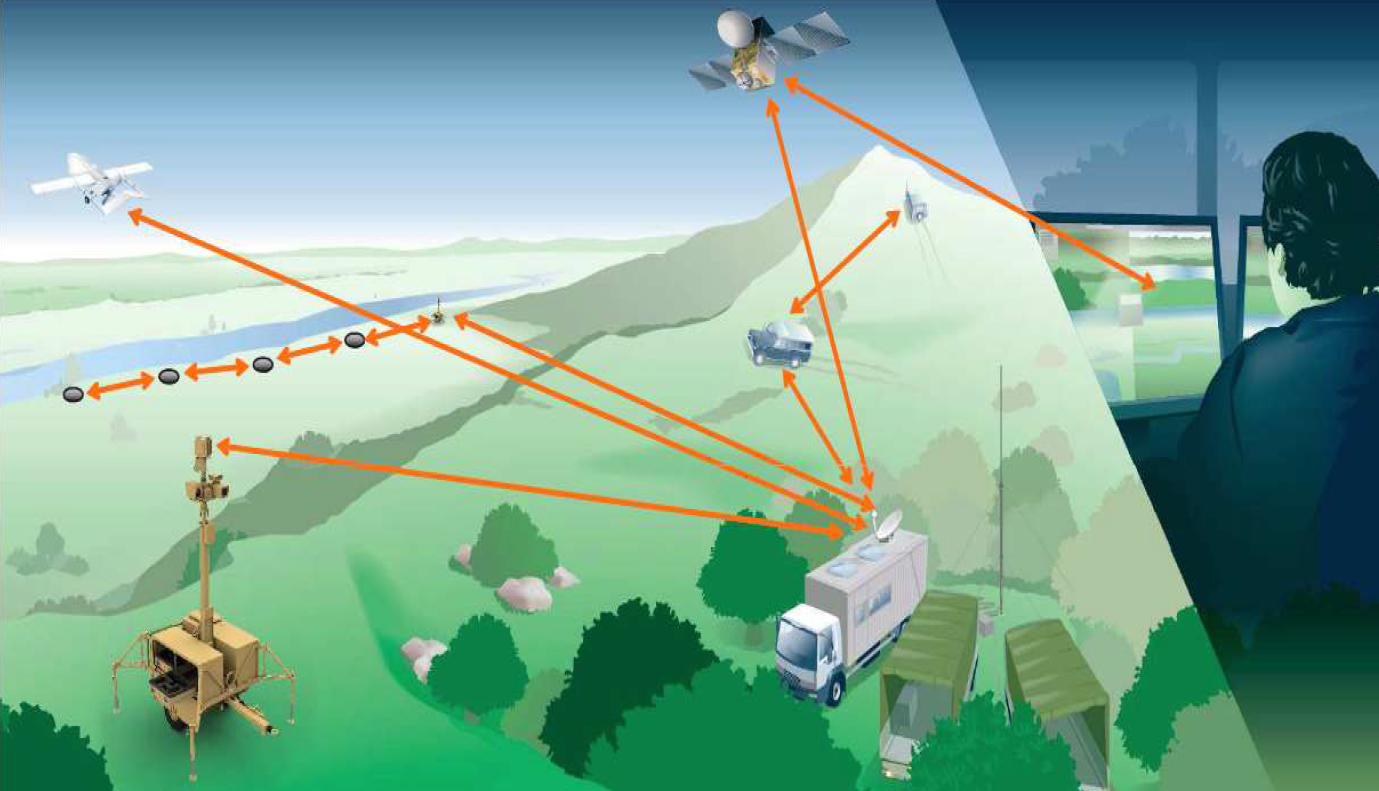
Rapidly organize communication links across soldiers, vehicles, patrol boats, relay stations, helicopters, regional command centers, and headquarters.

Self-Link Network architecture diagram

Self-Organizing

Nodes automatically establish links and adapt to changing topologies without dependence on fixed infrastructure.

Self-Healing

When one path is interrupted, the network reroutes traffic through alternate nodes to maintain continuity.

Mission-Flexible

Supports small tactical teams, border operations, event security, maritime missions, and public safety deployments.

Why mobile self-link communication matters

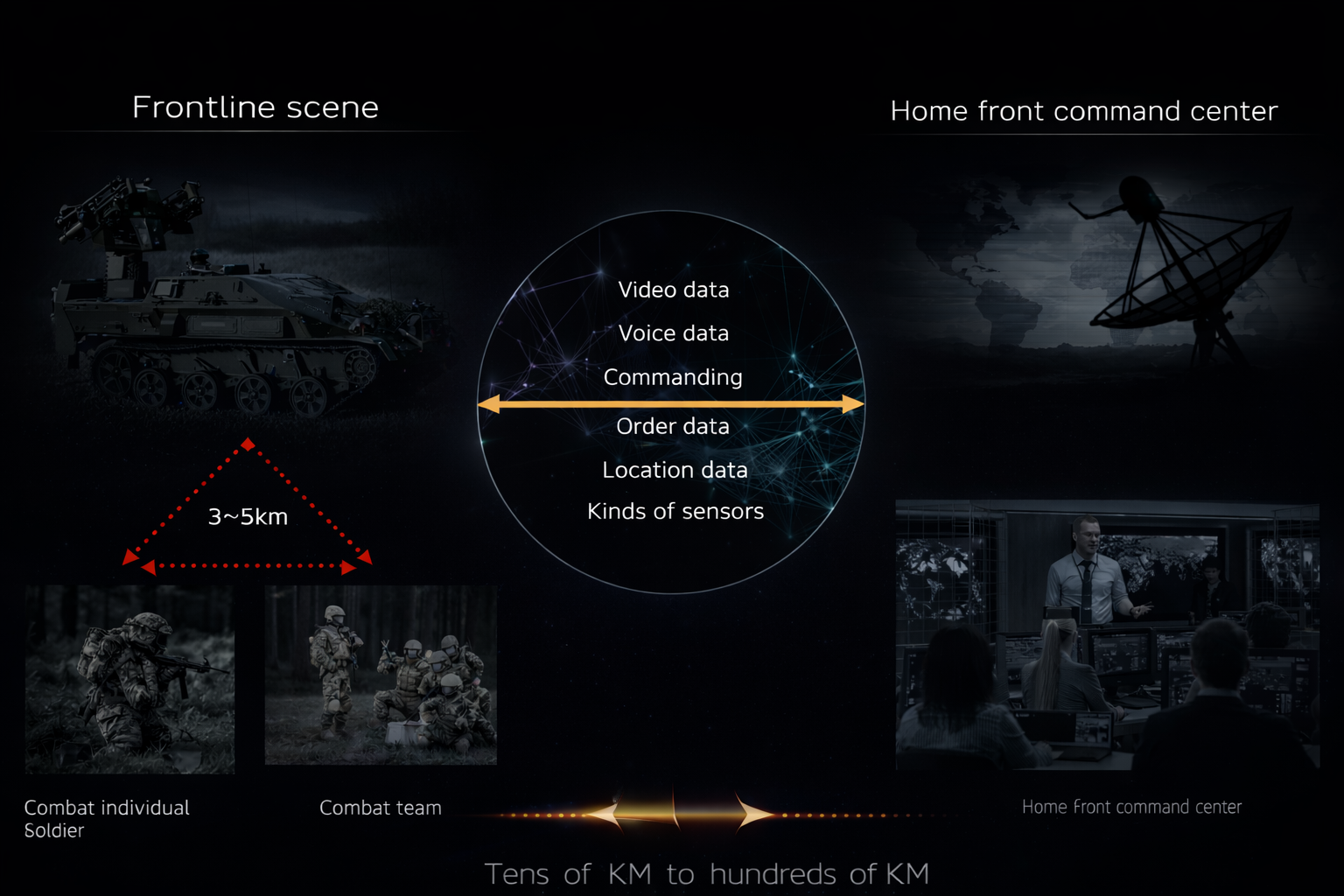
Traditional communication systems struggle in fast-moving, infrastructure-limited, or geographically complex environments. Self-Link Network extends communications from the frontline scene to command centers over short, medium, and long distances.

Designed for dynamic field deployment

  • Independent of municipal grid and third-party networks
  • No center node required for basic local operations
  • Adapts to movement of each node in real time
  • Rapid deployment with strong portability
  • Reliable communication in complex LOS and NLOS conditions
Frontline scene to command center communication illustration

Built for diverse tactical and civil security environments

Deployable across land, urban, maritime, telecom backup, and large-scale event scenarios, combining local mesh networking with relay or satellite communication when needed.
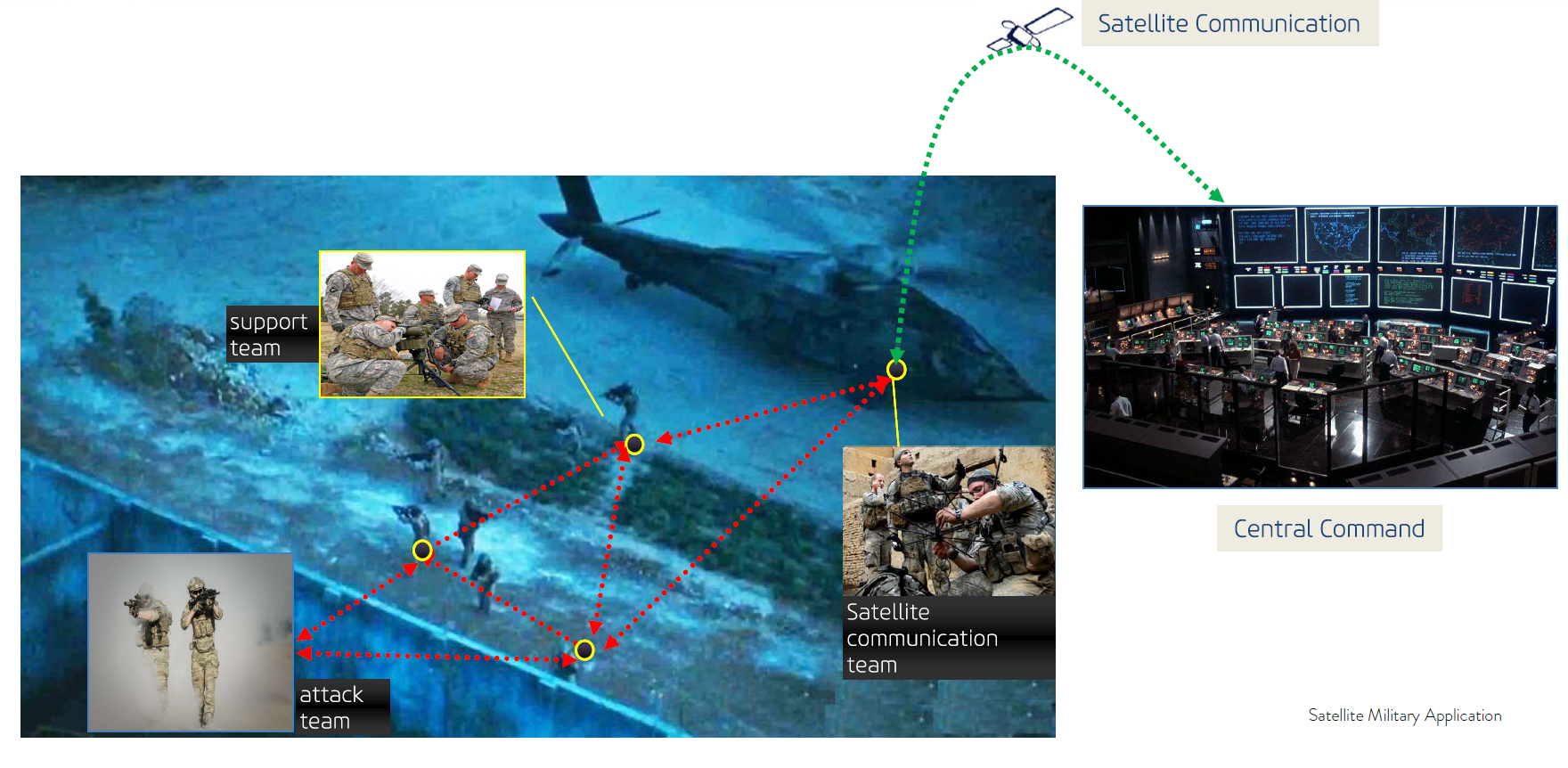
Combat Ops

Army Combat & Anti-Terrorism

Real-time battlefield coordination across distributed units.
Wide-Area Coverage

Border Defence

Continuous communication coverage across remote patrol zones.
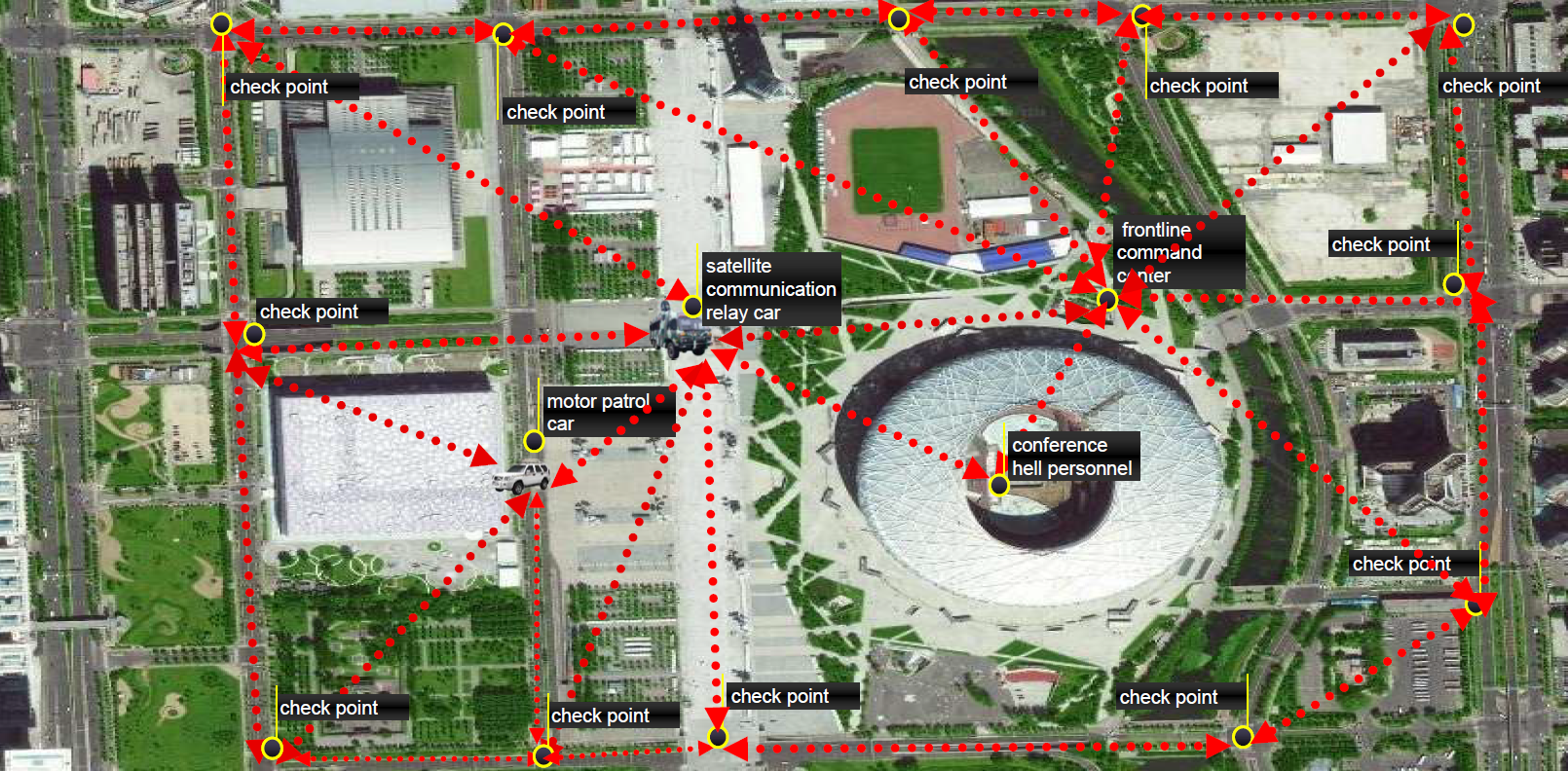
Rapid Deployment

Large-Scale Event Security

Temporary networks for crowd control and emergency response.
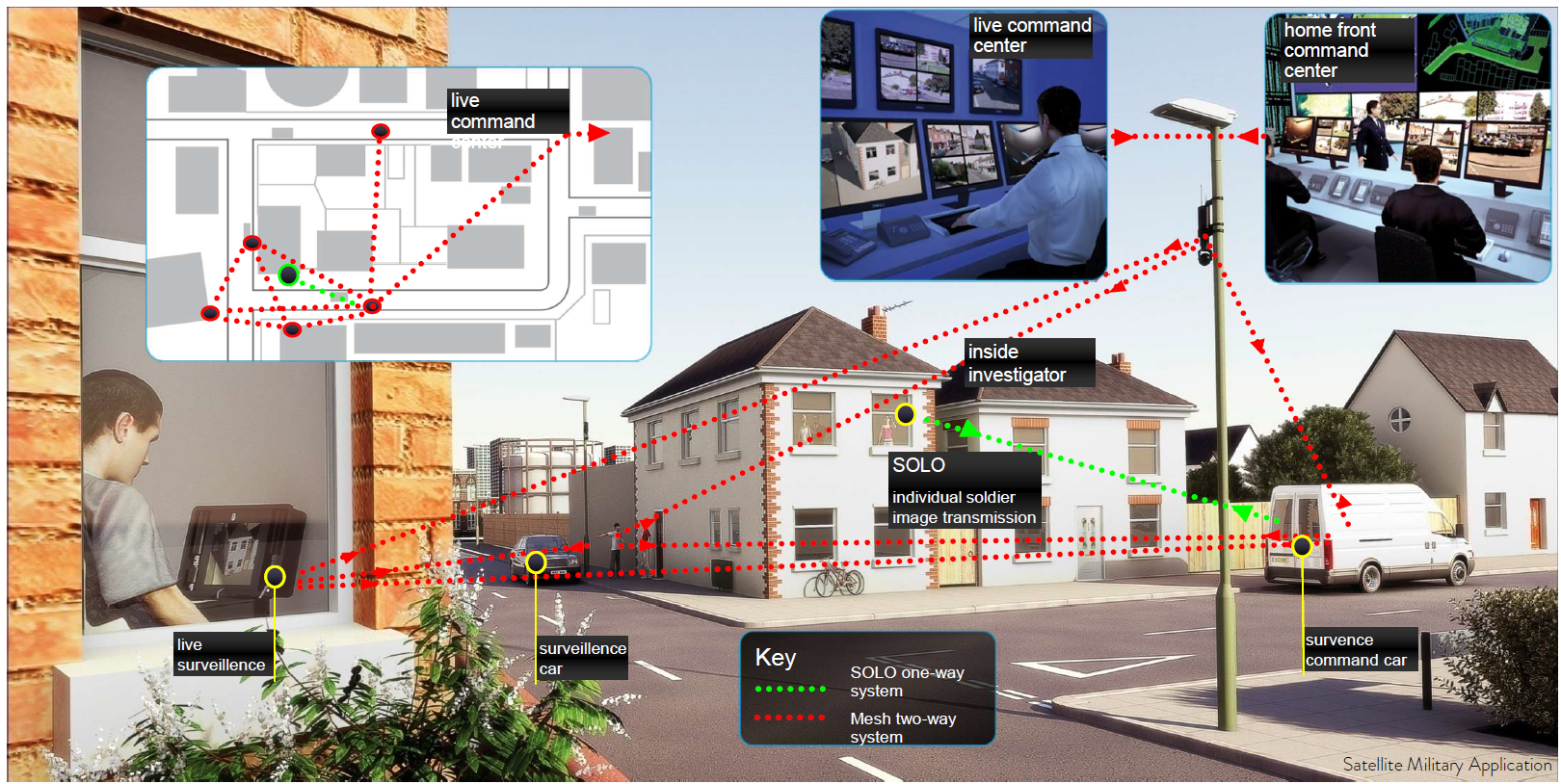
Urban Surveillance

Police Investigation & Surveillance

Covert monitoring and live intelligence sharing in urban areas.
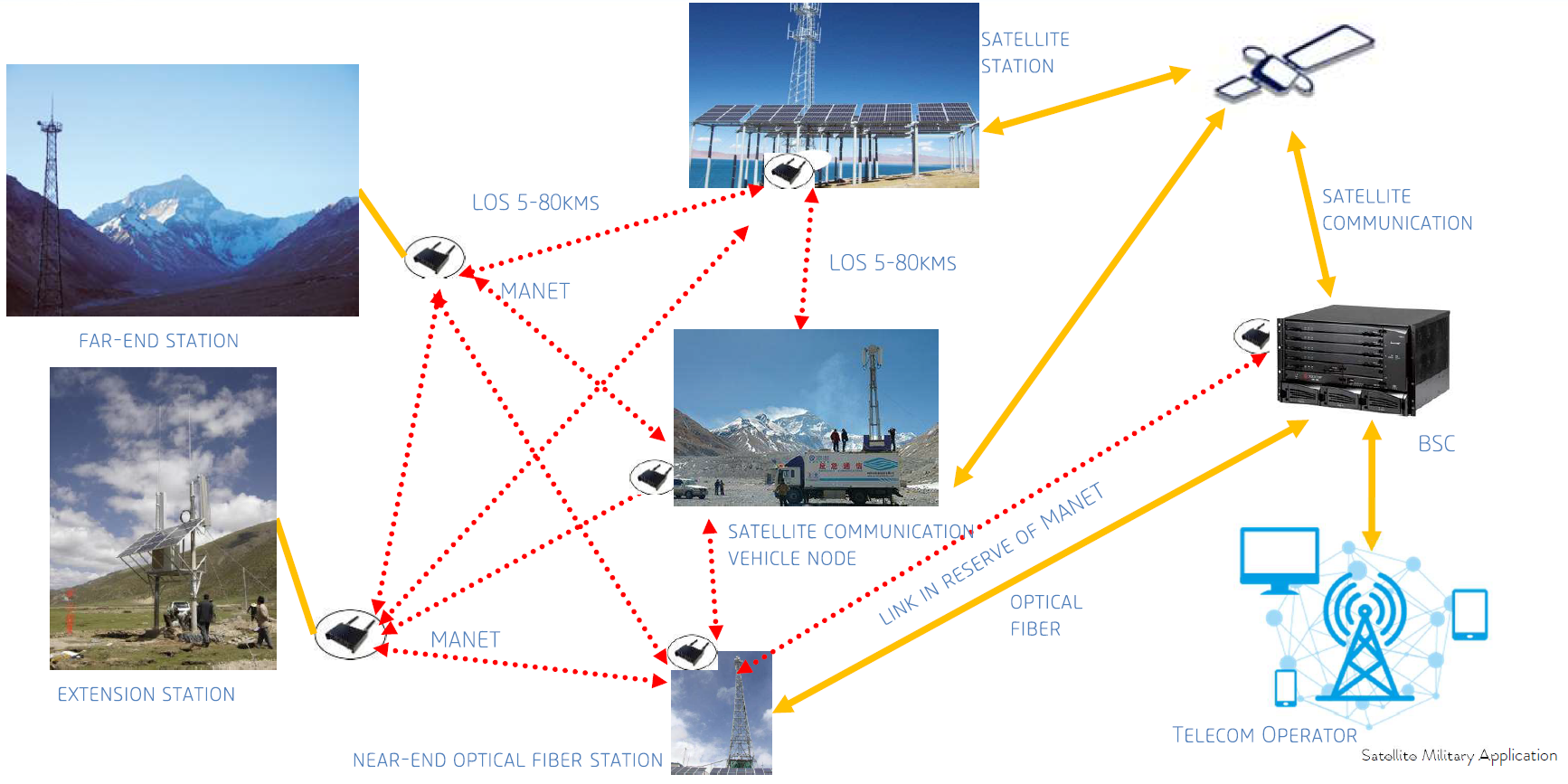
Backup Network

Operator / Telecom Backup

Reliable reserve links ensuring continuity for critical telecom infrastructure.
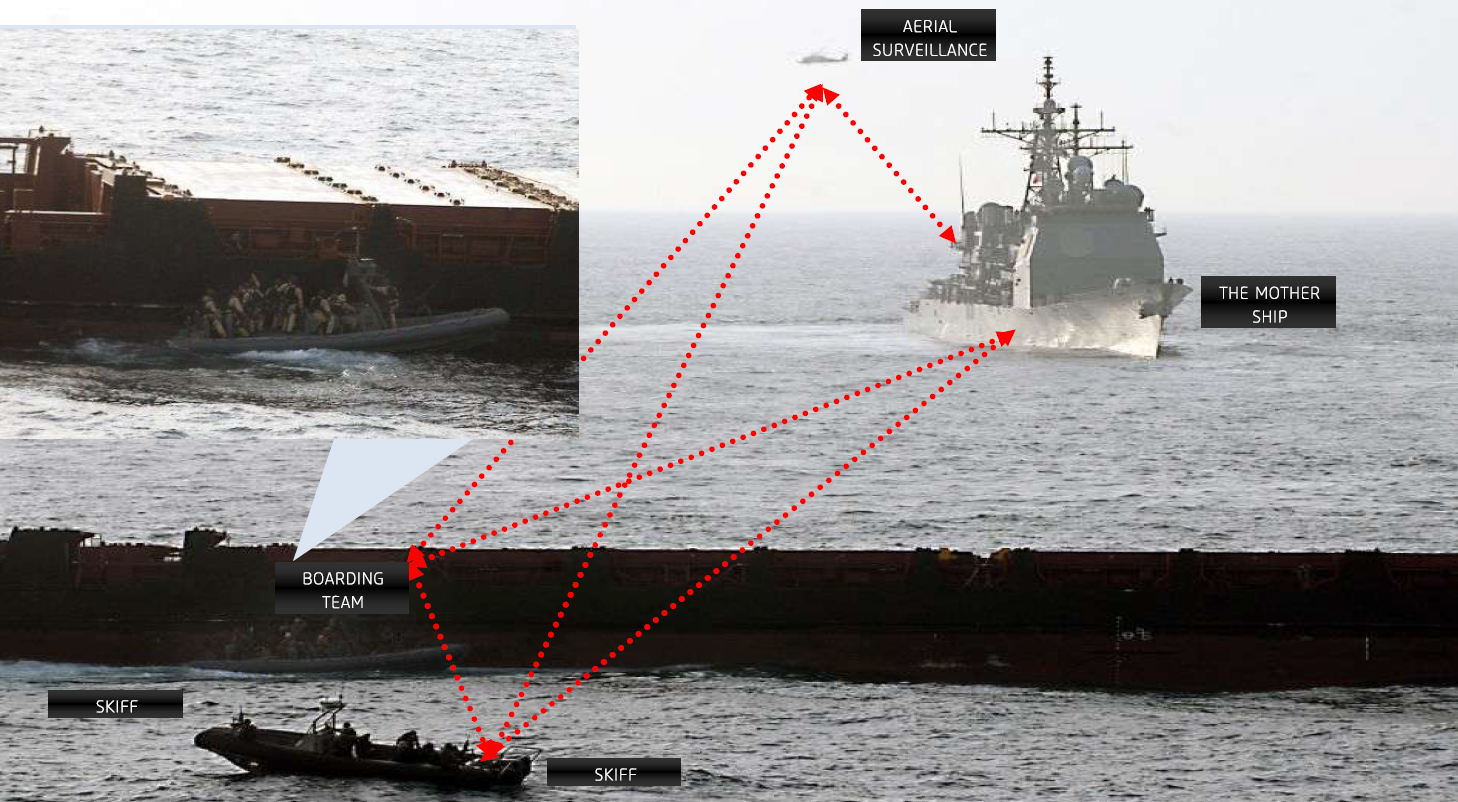
Offshore Coordination

Maritime Communication

Seamless coordination across vessels, offshore units, and command systems.

Engineered for resilience, mobility, and complex environments

  • Independent of third-party infrastructure and municipal grid
  • No-center, self-organization, and self-healing capability
  • Excellent NLOS performance in urban or obstructed environments
  • Rapid spread and deployment in emergency situations
  • Portable field-ready form factors
  • Lower follow-up broadband dependency cost

LOS / Relay Capability

  • Strong LOS transmission between indoor and outdoor personnel
  • Effective use of diffraction and reflection in multi-path environments
  • Supports communication in basements, tunnels, and dense structures
  • Automatic relay transmission extends communication distance
  • Fast placement of unattended nodes in dead zones

Communication intelligence at the protocol and topology level

The solution combines coded OFDM modulation with distributed network control and automatic relay mechanisms to maintain stable performance in dynamic environments.

PHY Layer

COFDM Modulation Technology

Robust multi-subcarrier transmission improves signal resilience under NLOS conditions, ensuring stable communication in complex environments.

Network Layer

Rapid Network Topology Organization

Distributed MAC protocol enables fast self-organization, allowing nodes to dynamically form and reconfigure without centralized control.

Coverage Layer

Wide-Area Coverage Expansion

Relay-based network structures extend communication range, supporting mobility, roaming, and integration with IP backbone infrastructure.

Deployable nodes for fixed, vehicle, handheld, and microwave communication

Key components can be configured according to mission distance, mobility, protection level, and deployment environment.

Point-to-Point Wireless Microwave

Point-to-Point Wireless Microwave

  • Configurable distance options: 20KM / 35KM / 50KM
  • Supports long-distance backhaul and relay extension
  • Suitable for fixed link and wide-area transmission requirements

Self-Link Network Communication Solution

Ready to build a faster, more resilient field communication network?

Customize the solution according to your deployment scenario, coverage requirement, node type, and command structure.