


The safe and efficient operation of nuclear facilities relies heavily on the reliability of data transmission systems. As the core components of these systems, nuclear-grade data cables play a critical role in ensuring the overall safety and stability of the facility.
These cables must maintain signal integrity under extreme conditions, including intense radiation fields, high temperatures and pressures, chemical corrosion, mechanical vibrations, and accident scenarios. With the advancement of nuclear technology—such as the development of Small Modular Reactors (SMRs), fourth-generation reactors, and the widespread adoption of digital I&C systems—the design and performance of data transmission cables continue to evolve to meet new demands.
I. Harsh Nuclear Environments and the Challenges for Cable Reliability
The working environments of cables within nuclear facilities can be classified by area: inside the containment (Category K1) and outside the containment (Categories K2/K3). Among them, the environment inside the containment is the most severe.
- Radiation Damage: Over 40 years of normal operation, the cumulative radiation dose can reach up to 3×10⁷ rad (approximately 300 kGy). Gamma and neutron radiation can cause polymer molecular chain scission or cross-linking, leading to insulation embrittlement, cracking, and performance degradation. Studies have shown that traditional polyolefin materials exhibit a 30% reduction in elongation at break after irradiation.
- High Temperature and Pressure: During accident conditions, temperatures may exceed 1000°C, accompanied by sudden pressure surges.
- Chemical Corrosion: Events such as LOCA (Loss of Coolant Accident) produce boric acid steam, and firefighting sprays can introduce salt mists—both of which corrode cable sheaths and accelerate aging.
- Mechanical Stress: Cables must withstand high tensile strength (>45 kgf) and seismic resistance, enduring ground acceleration up to 45g in the event of earthquakes.
These factors often act synergistically (such as thermal-radiation coupling), which significantly accelerates material aging. The U.S. Nuclear Regulatory Commission (NRC) bulletins 93-33 and 97-45 both highlight that organic cables under high temperature and humidity are prone to signal distortion due to moisture ingress. This has led to incidents like false alarms in the radiation monitoring system at Southern California Edison’s nuclear power plant.
II. Technical Standards System for Nuclear Cables
Nuclear facility data transmission cables must comply with a multi-tiered system of standards, covering electrical performance, environmental resistance, and installation specifications:
1. International General Standards
- IEEE 383: Specifies flame retardancy testing for cables using a vertical tray flame test, and includes LOCA (Loss of Coolant Accident) testing involving steam pressure and chemical spray exposure.
- IEC 60544: Evaluates radiation resistance by requiring the retention of elongation at break to exceed 50% after cumulative radiation exposure.
- IEC 60505: Assesses the overall service life of insulation materials under nuclear conditions through combined radiation aging tests.
- IEC 60216: A core standard for determining the thermal endurance of electrical insulating materials. It employs accelerated thermal aging tests to estimate long-term service life at rated operating temperatures (e.g., 40 or 60 years).
- GB/T 13286-2021: Emphasizes the independence of safety-grade circuits. It requires physical separation (e.g., barriers or safe spacing) or electrical isolation (e.g., isolation devices or shielding) between redundant cables to prevent common-cause failures.
2. Classification and Grading Requirements
| Cable Category | Applicable Area | Key Performance Requirements | Representative Standard |
|---|---|---|---|
| Class 1E / Category K1 | Inside containment (reactor building) | Radiation resistance > 106 Gy, LOC survivability, full post-accident functionality | IEEE 383 |
| Class 1E / Categories K2/K3 | Outside containment (auxiliary buildings) | Flame retardant, low smoke and toxicity, medium radiation resistance | IEC 60505 |
Additional optical isolation criteria apply to fiber optic circuits.
III. Structural Analysis of Nuclear-Grade Cables
1. Organic Polymer Cables
These cables are primarily enhanced through radiation-resistant modification, supplemented by nano-fillers and polymer matrix compounding to improve overall performance:
- Lớp Cách Điện: Made of high-density polyethylene (HDPE) or polyolefin elastomers, enhanced with radiation-resistant graphene nanoparticles and thermally stable Si-N-O ceramic precursors to improve thermal and radiation stability.
- Sheath Layer: Uses halogen-free flame-retardant nano aluminum hydroxide and microencapsulated red phosphorus. A chemical-resistant waterproof layer of ethylene-vinyl acetate (EVA) hot-melt adhesive is applied, along with stainless steel tape armoring.
- Processing Technique: Addresses poor flowability of high-filler materials. The armoring process replaces oil cooling with hot-melt adhesive cooling to enhance corrosion resistance.
2. Inorganic Mineral-Insulated Cables
Silicon dioxide (SiO2) cables feature a fully inorganic structure offering extreme environmental adaptability, suitable for containment core areas.
- Cấu Trúc:
- Conductor: High-purity oxygen-free copper (single-core or tri-axial).
- Insulation: 99.97% pure SiO2 powder (dielectric constant as low as 1.56).
- Sheath: Laser-welded stainless steel or titanium alloy.
- Performance Advantages:
- Radiation Resistance: Tolerates >100 MGy, 10,000 times more than typical organic cables.
- Temperature Range: -273°C to 1000°C (up to 1300°C for short durations), maintains insulation integrity under LOCA conditions.
- Service Life & Sealing: Glass-sintered sealed joints and laser-welded sheaths provide >60 years of lifespan and eliminate moisture ingress.
- Electrical Properties: Superior attenuation stability (±0.03 dB/m) and phase stability compared to MgO cables (dielectric constant of 5.43), supporting high-frequency transmission up to 40 GHz.
3. Specialized Radiation-Resistant Fiber Optic Cables
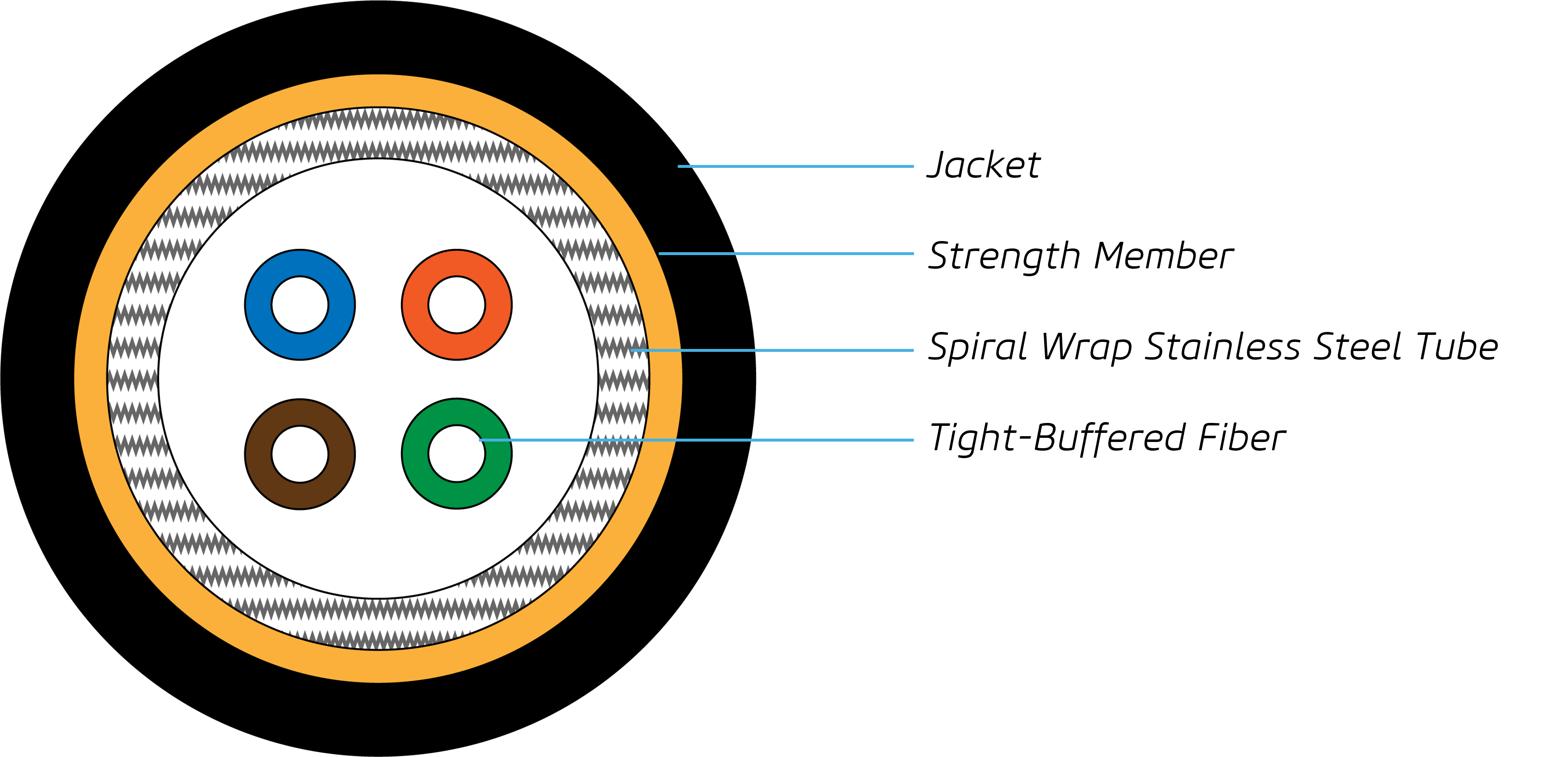
Utilize radiation-resistant optical fibers housed in stainless steel tubes with PTFE sheathing.
- Radiation Resistance: Minimizes radiation-induced attenuation (RIA).
- Temperature Range: Broader thermal tolerance compared to standard optical cables.
- Mechanical Strength: Excellent impact and vibration resistance.
- Radiation-Hardened Materials: Includes silver bromide/iodide (AgBr/AgI) single-crystal fibers capable of withstanding ultra-high radiation doses—ideal for nuclear waste monitoring and space communications.
- High-Temperature Radiation Resistance: SiO2-armored fiber optic cables offer long-term thermal and radiation durability, with a service life exceeding 60 years.
IV. Advanced Technologies and Future Trends
1. Quantum Communication Integration
In 2025, Purdue University and Oak Ridge National Laboratory successfully demonstrated quantum key distribution (QKD) technology at the PUR-1 research reactor. By distributing encryption keys via quantum states, this method ensures that reactor control data remains immune to eavesdropping, significantly enhancing the security of remote monitoring.
2. Innovations in Extreme-Environment Materials
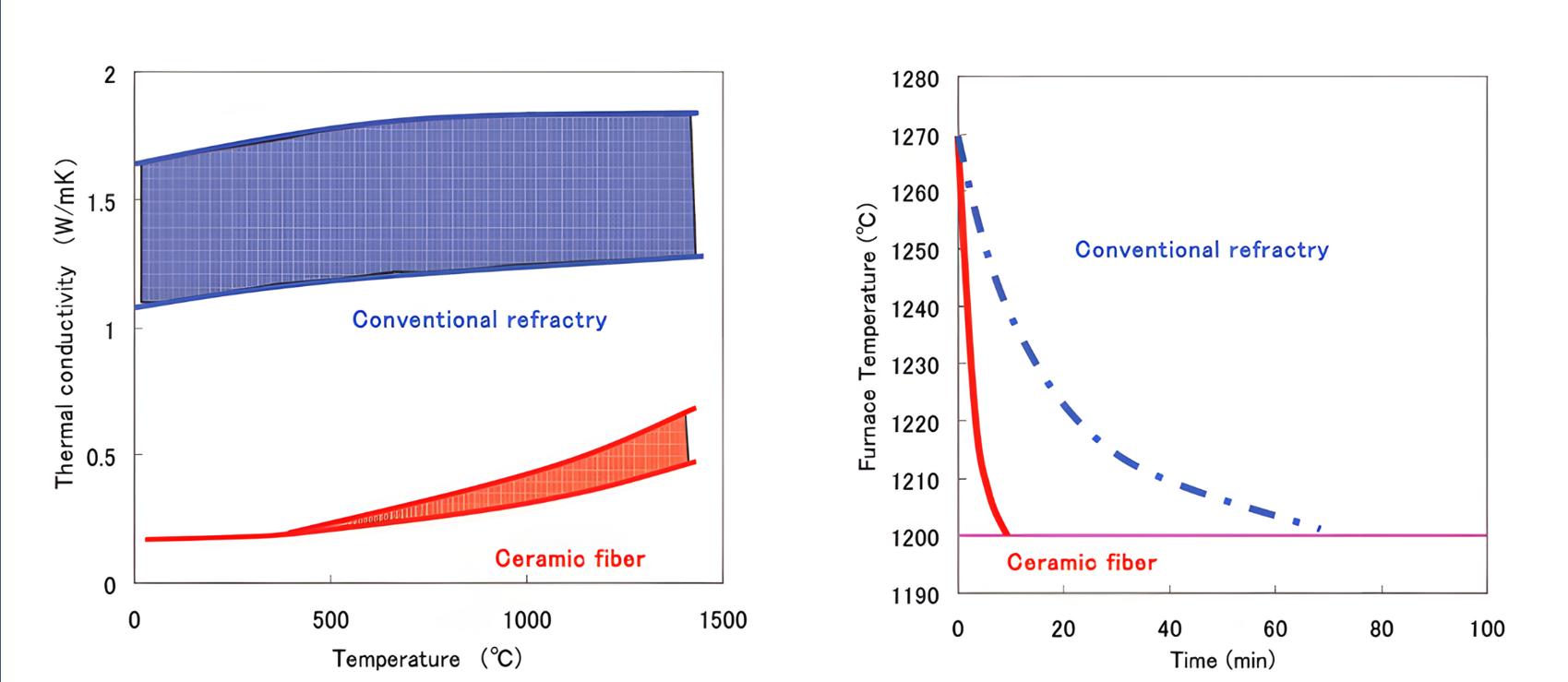
- Ceramic Fiber Fabrics: Japanese researchers have developed insulation layers using Si-N-O-based fibers, capable of withstanding ultra-high temperatures exceeding 1000°C and radiation levels up to 100 MGy.
- Crosslinked Polysiloxane Composites: Russian teams have engineered broadband fiber-optic composite cables that combine radiation resistance with high-speed data transmission capabilities.
V. Conclusion
Selection of data transmission cables for nuclear facilities:
1. Containment Core Area (Category K1):
Silicon dioxide (SiO2) cables are the preferred choice, offering "zero-failure" reliability over a 60-year service life. They are particularly suitable for transmitting weak, high-frequency signals in highly irradiated environments.
2. Auxiliary Buildings (Categories K2/K3):
Radiation-resistant modified polyolefin cables are suitable, providing a balanced solution between performance and cost through the integration of nano-graphene enhancement and halogen-free flame-retardant systems.
3. Future Technologies:
The future of nuclear facility data transmission will be shaped by the integration of quantum-encrypted communication and advanced materials capable of withstanding extreme conditions. This evolution will drive data links toward higher security, longer lifespan, and intelligent functionality.
“For Class 1E Category K1 I&C cables, silicon dioxide cables are the only option that ensures zero failures over 60 years.”
The continuous innovation of nuclear-grade cable technology not only safeguards nuclear safety but also forms a critical foundation for the commercial deployment of fourth-generation reactors and nuclear fusion systems.